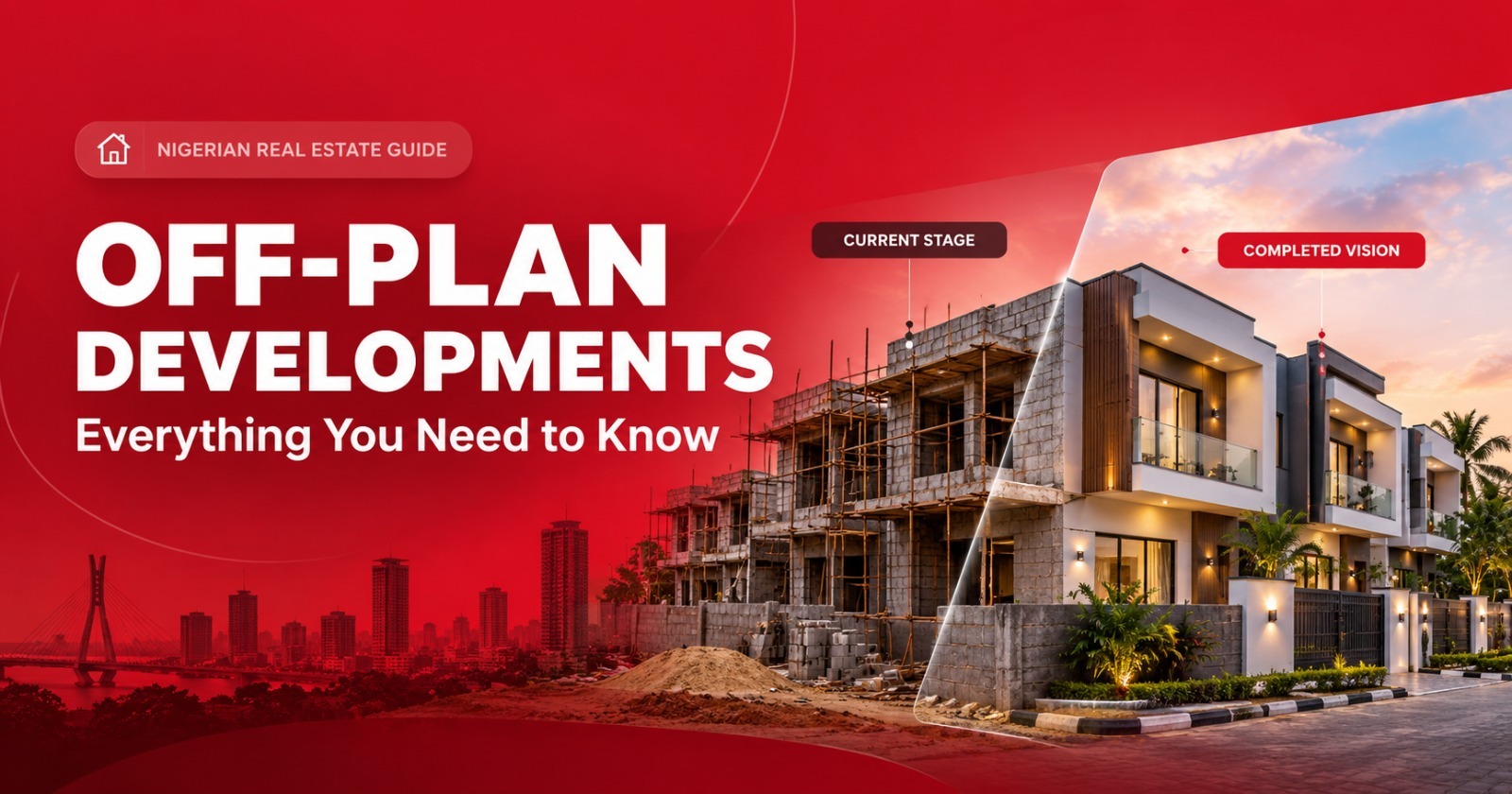
Buying a property does not always mean choosing a finished home that is ready to occupy.
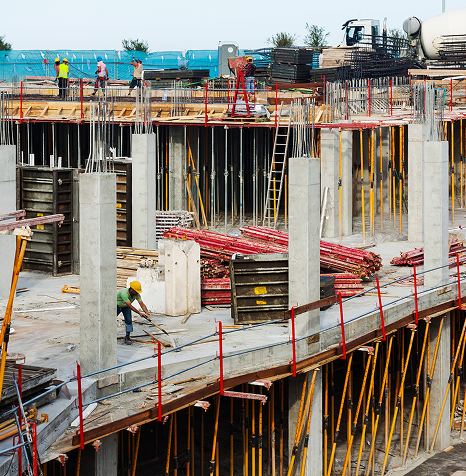
With an off-plan development, a buyer commits to purchasing a property before construction has been completed. In some cases, construction may only have recently started. In others, buyers may reserve units while the development is still at the design or early construction stage.
This approach can offer advantages such as phased payments, access to preferred units and the possibility of buying at an earlier project price. However, buyers are also accepting risks that do not usually exist when purchasing a completed property.
Understanding those risks is particularly important when considering off-plan property in Nigeria, where property documentation, approvals, infrastructure, construction timelines and the developer's ability to deliver can significantly affect a transaction.
Here is what buyers should understand before making a commitment.
What Is an Off-Plan Development?
An off-plan development is a property project in which buyers purchase or reserve units before the building has been completed.
Instead of inspecting a finished apartment or house, the buyer may make a decision using architectural drawings, floor plans, specifications, renders, a show unit, construction progress and contractual information supplied by the developer.
This differs from buying a completed property because the buyer is partly relying on the developer's promise and contractual obligation to deliver the agreed property in the future.
The exact stage at which a development is marketed as off-plan varies. A project may be offered for sale before construction starts, during foundation works, during the structural stage or even close to completion.
That makes proper verification extremely important.
How Does Buying an Off-Plan Property Work?
Buying off-plan usually involves selecting a development, carrying out due diligence, choosing a unit, signing an agreement, making agreed payments and waiting for construction and handover.
1. Select the Development
The buyer identifies a suitable development based on factors such as location, property type, expected completion date, intended use and budget.
2. Review the Developer
Before paying, the buyer should investigate the company behind the development.
Important questions include:
· What projects has the developer previously completed?
· Can those projects be physically inspected?
· Were they delivered reasonably close to their expected timelines?
· Is the company properly identifiable and traceable?
· Who owns or controls the land being developed?
3. Carry Out Property Due Diligence
The property's title, ownership, survey information, development approvals and other relevant documentation should be independently reviewed.
Buyers should not rely only on brochures or verbal representations.
4. Choose a Unit
Buyers may be able to choose from different floors, orientations, apartment sizes or layouts depending on what remains available.
5. Review and Sign the Agreement
The contract should clearly identify what is being purchased and the responsibilities of both parties.
A buyer should understand the payment schedule, completion provisions, specifications, default clauses, cancellation conditions, transfer rules and handover requirements before signing.
6. Make Payments
Depending on the development, payment may be made in full or through instalments.
7. Monitor Construction
The developer should provide reasonable project updates during construction. Buyers should retain payment receipts, correspondence, agreements and progress records.
8. Inspect and Complete Handover
When construction is finished, the buyer should inspect the unit against the agreed specifications before accepting handover.
Any defects or incomplete items should be recorded and addressed according to the contract.
Why Do People Buy Off-Plan Properties?
People buy off-plan properties for several reasons, including affordability, flexibility and access to new developments.
Potentially Lower Entry Price
Developers sometimes introduce units at lower prices during an early project phase and increase prices as construction progresses. However, this is not guaranteed. Buyers should compare the off-plan price with similar completed properties before assuming they are receiving a discount.
Flexible Payment Plans
One of the strongest attractions of buying off-plan property is the ability to spread payments over several months or construction stages. This can make property acquisition more manageable for buyers who cannot make one large payment immediately.
Potential Capital Appreciation
If property values in the area rise while the development is being built, the completed unit may eventually be worth more than the original purchase price. That potential should never be treated as guaranteed. Location, market conditions, infrastructure, supply, demand and the quality of the finished development all influence property values.
Greater Choice of Units
Early buyers may have access to a wider selection of apartments, floors and orientations.
New-Build Specifications
Off-plan buyers are generally purchasing newly constructed properties designed to current project specifications rather than older buildings that may require immediate renovation.
Investment Opportunities
Some investors buy off-plan properties with the intention of renting them after completion or eventually selling them. The viability of either strategy should be assessed using realistic rental and resale assumptions.
Advantages of Off-Plan Property
The main advantages of off-plan property can include phased payments, earlier access to available units, potential price advantages and the opportunity to own a newly built property.
1. Easier Cash-Flow Planning
Instalment structures may allow buyers to distribute the purchase cost across a longer period.
2. Access to Preferred Units
Buying early can provide more choice within the development.
3. Potential Value Growth During Construction
A buyer may benefit if the surrounding area and property market improve before completion. Again, appreciation should be treated as a possibility rather than an assured return.
4. New Property
New properties may require less immediate refurbishment than older homes, although buyers should still conduct a proper handover inspection.
5. Longer Investment Planning Period
Investors may have time during construction to prepare for furnishing, leasing, resale or future occupancy.
Risks of Buying Off-Plan Property
The biggest off-plan property risks are delays, developer failure, documentation problems, specification changes, market movements and uncertainty about the final property.
Understanding these risks does not mean avoiding every off-plan development. It means assessing whether the potential reward justifies the level of risk.
Construction Delays
Construction projects can be delayed by funding challenges, approval issues, design changes, material availability, contractor problems, economic conditions and other factors. Buyers should therefore examine how the contract treats delays.
Developer Risk
An off-plan purchase depends heavily on the developer's financial, technical and managerial ability to finish the project. A strong marketing campaign is not evidence of successful project delivery.
Changes to Specifications
Finishes, materials or layouts may change during construction. The agreement should explain what changes are permitted and whether substitutions must be of an equivalent standard.
Market Fluctuations
Property prices can rise or fall. An investor who buys primarily because of an expected future resale price could be disappointed if demand weakens.
Payment and Financing Risk
A buyer may also experience changes in personal finances while construction is ongoing. Before committing to an instalment plan, understand what happens if a payment is late or cannot be completed.
Documentation Issues
Unresolved ownership, title or planning matters can create serious problems. Independent professional checks should take place before substantial payment.
Completion Uncertainty
A project may take longer than expected or, in serious cases, fail to reach completion. This is why the developer's track record and contractual protections matter.
Resale Restrictions
Some developers restrict assignment or resale before completion or charge transfer fees. Investors planning to sell their interest before handover should review these provisions before buying.
What Should You Check Before Buying an Off-Plan Property?
Before buying off-plan property, verify the developer, land documentation, project approvals, contract, specifications, payment schedule, completion timeline and handover terms.
Use the following checklist.
Developer Track Record
Look for evidence of previously completed projects rather than relying entirely on proposed developments.
Title and Ownership
Confirm the nature of the developer's interest in the land and have the supporting documents independently reviewed.
Planning and Development Approvals
Ask what approvals apply to the project and request evidence where appropriate. Requirements differ according to location, development type and project stage.
Building and Construction Approvals
Check whether the project has obtained the approvals or authorisations required for its current construction stage.
Contract Terms
Have the contract reviewed before signing. Pay particular attention to what property is being purchased, unit size, specifications, payment obligations, default provisions, completion terms, dispute provisions, transfer rights and cancellation conditions.
Payment Structure
Understand exactly how much is due, when each payment is required and whether any additional charges may apply.
Completion Timeline
Ask for the estimated completion and handover dates and check what the agreement says about extensions or delays.
Development Specifications
Request a written schedule of finishes and specifications where possible.
Refund and Cancellation Terms
Do not assume a deposit will automatically be refundable. The contract should explain the applicable terms.
Service Charges and Additional Costs
Ask about expected service charges, infrastructure charges, documentation costs, utility costs and other amounts that may fall outside the advertised purchase price.
Handover Conditions
Understand what constitutes completion and what documents, access, inspections or payments are required before possession is handed over.
How Much Does Off-Plan Property Cost?
There is no standard price for off-plan property. Cost depends on location, unit type, project quality, development stage, payment terms, infrastructure and prevailing market conditions.
A studio apartment in one part of Lagos, for example, cannot reasonably be compared with a larger apartment in a different neighbourhood simply because both are being sold off-plan.
Pricing may be influenced by:
· Location
· Land cost
· Unit size
· Building specifications
· Parking provision
· Amenities
· Infrastructure
· Stage of construction
· Developer profile
· Payment duration
· Demand within the area
· Construction costs
· Broader economic conditions
Buyers should compare the development with similar completed and competing projects in the same area.
How Do Off-Plan Payment Plans Work?
Off-plan payment plans allow buyers to pay for a property according to an agreed schedule rather than necessarily paying the entire price at once.
Common arrangements include:
· Reservation fee followed by an initial deposit
· Monthly instalments
· Quarterly payments
· Payments linked to construction milestones
· A substantial deposit with the balance due before or at handover
· Full payment for buyers who prefer to complete the purchase immediately
Before choosing a plan, ask whether the purchase price remains fixed throughout the payment period.
Also check:
· Penalties for late payment
· Grace periods
· Cancellation terms
· Refund conditions
· Transfer charges
· Documentation fees
· Whether longer payment periods affect the total purchase price
A payment plan should match the buyer's realistic cash flow, not simply the maximum amount the buyer hopes to earn in the future.
Is Off-Plan Property a Good Investment?
Off-plan property can be a suitable investment when the project, developer, location, pricing and contract have been properly assessed, but it is not automatically a profitable investment.
It may be worth considering when:
· The developer has a credible delivery history
· The project's documentation can be verified
· The location has genuine demand
· The purchase price is commercially reasonable
· The buyer can comfortably meet the payment schedule
· The expected rental or resale strategy is realistic
Buyers should be more cautious when a project depends heavily on promises of rapid appreciation, offers unusually high guaranteed returns or provides little verifiable information about the land, approvals or developer.
The investment decision should still make sense if property values grow more slowly than expected.
Off-Plan Property in Nigeria
Buying off-plan property in Nigeria requires particular attention to land documentation, project approvals, the identity of the developer, construction progress and contractual terms.
Requirements differ between states, so buyers should identify the authorities responsible for the specific project's location.
In Lagos, for example, planning-permit and building-control responsibilities are handled by different state authorities. Buyers should confirm the approvals relevant to the development and its current construction stage rather than assuming that one approval covers every aspect of the project.
Land-related verification should also be treated separately. Buyers should establish the developer's legal interest in the land and have relevant title, survey and supporting documents independently reviewed.
These checks should not be treated as interchangeable. A buyer should establish what documentation and approvals apply to the specific land, transaction and development.
Property buyers should also avoid assuming that possession of one document automatically resolves every ownership or development issue.
Where appropriate, engage independent legal, surveying, valuation, engineering or other professional advisers rather than relying solely on information supplied by the seller.
Questions to Ask Before Buying an Off-Plan Property
Before making payment, consider asking the developer or seller:
1. Who legally owns or controls the development land?
2. What title or ownership documents support the project?
3. Can my solicitor independently verify the documents?
4. What planning and construction approvals apply to this project?
5. Which approvals have already been obtained?
6. What projects has the developer previously completed?
7. Can I visit those completed projects?
8. What is the expected construction completion date?
9. What happens under the contract if completion is delayed?
10. Is my chosen unit clearly identified in the agreement?
11. What exact finishes and specifications are included?
12. Can specifications be changed during construction?
13. What is the full payment schedule?
14. Are there additional infrastructure, documentation or service charges?
15. What happens if I miss a payment?
16. What happens if I decide to cancel?
17. Can I transfer or resell my interest before completion?
18. Are transfer fees applicable?
19. What is the handover process?
20. Will I be allowed to inspect or snag the property before accepting possession?
A developer who can provide clear, documented answers makes proper assessment easier. Buyers should be cautious when basic questions about ownership, approvals, construction, payment obligations or contractual rights cannot be answered clearly.
Off-Plan Developments: Frequently Asked Questions
What does off-plan property mean?
Off-plan property is property purchased before construction is fully completed. The buyer normally makes the decision using information such as floor plans, architectural drawings, project specifications, renders, site progress and contractual commitments instead of inspecting the final completed property.
Is buying off-plan property safe?
Buying off-plan can be reasonable when proper due diligence has been completed, but no property transaction is entirely risk-free. Buyers should verify the developer, land documentation, relevant approvals, contract terms, payment structure and construction progress before committing significant funds.
Is off-plan property cheaper than completed property?
Sometimes, but not always. Developers may offer lower prices during earlier phases of a project, but buyers should compare the price with similar completed and competing properties in the same location. An advertised off-plan discount does not automatically mean the property is undervalued.
How does an off-plan payment plan work?
A buyer may pay an initial deposit followed by monthly, quarterly or milestone-based instalments. Some developments also offer shorter plans or full payment options. Buyers should confirm whether the total price changes with the payment duration and understand penalties, cancellation terms and additional charges.
What are the main risks of buying off-plan property?
Important risks include construction delays, developer financial problems, documentation issues, specification changes, market fluctuations, buyer payment difficulties and incomplete projects. Contractual protection and independent verification can reduce exposure but cannot eliminate every construction or market risk.
Can I sell an off-plan property before completion?
It may be possible, but the answer depends on the purchase agreement and developer's transfer policy. Some developments permit assignment before completion, while others restrict it or charge administrative or transfer fees. Buyers planning an early resale should confirm these conditions before purchasing.
What happens if an off-plan development is delayed?
The consequences depend primarily on the contract. The agreement may provide for extensions, notices, revised completion dates or specific remedies. Buyers should review delay provisions before signing rather than assuming they will automatically receive compensation or a refund if construction takes longer than expected.
How do I verify an off-plan property in Nigeria?
Verify who owns or controls the land, review the relevant title and survey documentation, confirm the developer's identity and track record, and check the project approvals that apply in that state. Independent legal and professional verification is preferable to relying solely on information provided by the seller.
Is off-plan property a good investment?
It can be, depending on the development. A credible developer, suitable location, reasonable purchase price, strong underlying demand and manageable payment plan can make an off-plan purchase attractive. However, rental returns, resale prices and capital appreciation are never guaranteed.
What should I check before buying an off-plan property?
Check the developer, title or ownership evidence, project approvals, construction progress, specifications, unit details, payment schedule, completion timeline, cancellation terms, additional costs, transfer provisions and handover process. The contract should reflect important promises made during the sale.
Who should consider buying off-plan property?
Off-plan property may suit buyers who do not need immediate possession, can comfortably meet the payment schedule and accept construction and market risk. It may also suit long-term investors who have independently assessed the development rather than depending on short-term resale expectations.
What documents should I request before paying for an off-plan property?
The appropriate documents depend on the project and location, but buyers may need to review evidence of the developer's interest in the land, relevant title and survey information, planning or development approvals, the purchase agreement, unit details, specifications and payment schedule. Independent professional review is recommended.
Final Thoughts
Off-plan property can provide access to new developments, flexible payment options and potential investment opportunities, but the buyer is committing money before seeing the final product.
That makes due diligence the most important part of buying off-plan property.
Do not assess a development only by its renders, launch price or promised future value. Examine the developer, property documentation, approvals, contract, payment structure, construction programme, specifications and exit options.
The goal is not simply to buy early. It is to buy with a clear understanding of what is being promised, what can be verified and what risks remain.