
The construction industry continues to evolve rapidly, with modern architecture, luxury finishes, and social media-inspired designs becoming more popular than ever. While innovation is important, not every construction trend delivers long-term value, functionality, or practicality. In many cases, trends that look impressive online may create maintenance, cost, and usability challenges in real life.
One of the most overrated trends in modern construction today is excessive use of glass facades and ultra-modern exterior designs without considering climate conditions. While these buildings often appear luxurious and visually striking, they can increase heat gain, maintenance costs, waterproofing issues, and energy consumption, especially in tropical environments. Great architecture should not only look good — it should also perform efficiently and suit its environment.
Another major trend influencing construction today is “social media architecture.” Platforms like Instagram, Pinterest, TikTok, and YouTube have created unrealistic expectations around building timelines, luxury aesthetics, and project costs. Fast-paced transformation videos often make construction appear easier, cheaper, and quicker than it actually is. Many people now prioritize trendy visuals over functionality, durability, and proper planning. As a result, buildings may look impressive online while lacking comfort, ventilation, practicality, or long-term sustainability.
Open-plan spaces have also become highly popular in modern homes and commercial developments. While open concepts can improve visual appeal and interaction, they are not always practical for every lifestyle. Noise, lack of privacy, poor zoning, cooling difficulties, and maintenance challenges are common issues many property owners eventually experience. A design trend should fit the needs of the people using the space rather than simply following what is popular online.
Another overrated trend is overcomplicated smart home automation. Smart technology can improve convenience and efficiency, but many buildings now include unnecessary automated systems that are expensive to maintain, quickly outdated, or rarely used by occupants. In many cases, homeowners end up paying for features that add more complexity than actual value. Smart buildings should focus on improving comfort, security, and functionality — not simply creating a “luxury” appearance.
Minimalist architecture has also become a dominant design trend, especially in luxury real estate development. While clean lines and simplicity can create timeless architecture, many projects misunderstand minimalism and end up creating cold, uncomfortable, or overly empty spaces that lack warmth and personality. True minimalist design is intentional and balanced, not just plain or unfinished.
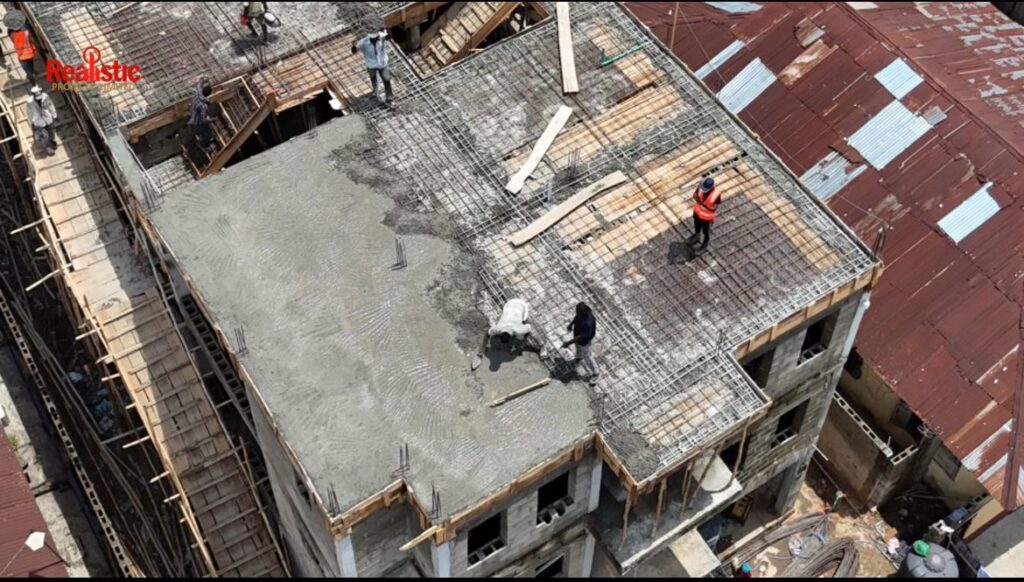
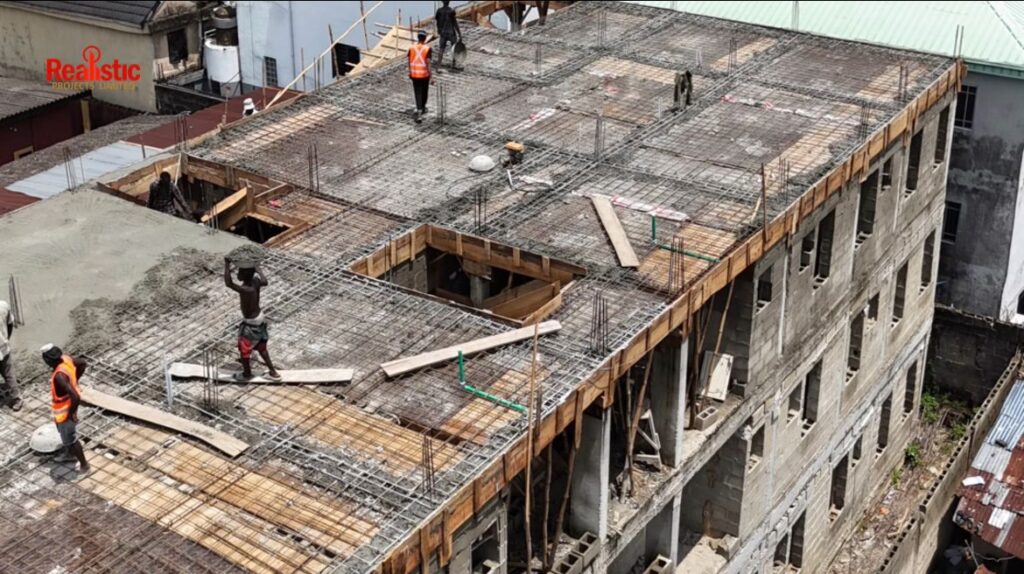
Another growing issue in the industry is the obsession with luxury finishes while ignoring construction quality. Many developments focus heavily on marble surfaces, decorative lighting, expensive facades, floating staircases, and luxury interiors while neglecting critical aspects like structural integrity, waterproofing, ventilation, drainage systems, and quality workmanship. A building that looks luxurious but develops leaks, cracks, or maintenance problems within a short period is ultimately poor construction regardless of its appearance.
The rise of copy-and-paste architecture is another trend affecting modern construction. Many residential and commercial projects now look almost identical because developers and clients repeatedly copy trending designs without considering originality, functionality, or environmental suitability. While trends naturally influence architecture, excessive repetition reduces creativity and limits the identity of buildings and urban spaces.
Shortlet and Airbnb-inspired developments have also contributed to trend-driven construction. Because shortlets are currently profitable in many urban areas, numerous investors now prioritize visual appeal and social media aesthetics over long-term residential comfort and practicality. This has increased the number of projects designed primarily for online attraction rather than sustainable living experiences.
Another overlooked trend is building excessively large spaces that are difficult to maintain or efficiently use. Many people equate bigger buildings with luxury or success, leading to oversized living areas, unnecessarily large rooms, and impractical layouts. In reality, intelligent space planning and functionality are often more valuable than excessive size.
Additionally, some modern developments prioritize appearance over climate-responsive architecture. Imported foreign designs are often replicated locally without adapting them to local weather conditions, ventilation needs, rainfall patterns, or environmental realities. Buildings should respond to their surroundings rather than blindly following international trends that may not perform well in local climates.
Ultimately, good construction should balance aesthetics, durability, comfort, functionality, sustainability, and long-term value. Trends will continue to evolve, but buildings designed with proper planning and practical thinking will always outperform projects built purely around temporary hype. Great architecture is not simply about what looks impressive today — it is about what continues to perform effectively years into the future.
At Realistic Projects, we believe construction should go beyond trends to create spaces that remain functional, durable, timeless, and valuable for years to come.