
Beyond “looks fine to me” — what to watch for at every stage of a renovation or build.
Hiring a contractor is one of the largest financial bets most homeowners will ever make — and one of the hardest to evaluate in real time. Here’s how to move beyond gut feeling and know, concretely, whether the person you hired is earning their invoice.
Most homeowners have no idea a job is going sideways until the damage is done: a finished basement that floods, tile that cracks after six months, or an addition that won’t pass inspection. The problem isn’t just bad craftsmanship — it’s that the warning signs were there long before the final nail was driven, and nobody knew what to look for.
The good news is that a skilled, professional contractor behaves in consistent, observable ways. Once you know what to watch for, evaluating their work becomes far less mysterious.
Green Flags: Signs Your Contractor Is Performing Well
- 01
- They show up on schedule — and communicate when they can’t
- Reliable contractors treat your home like a job site, not a side project. Consistent start times and advance notice for delays signal professionalism from day one.
- 02
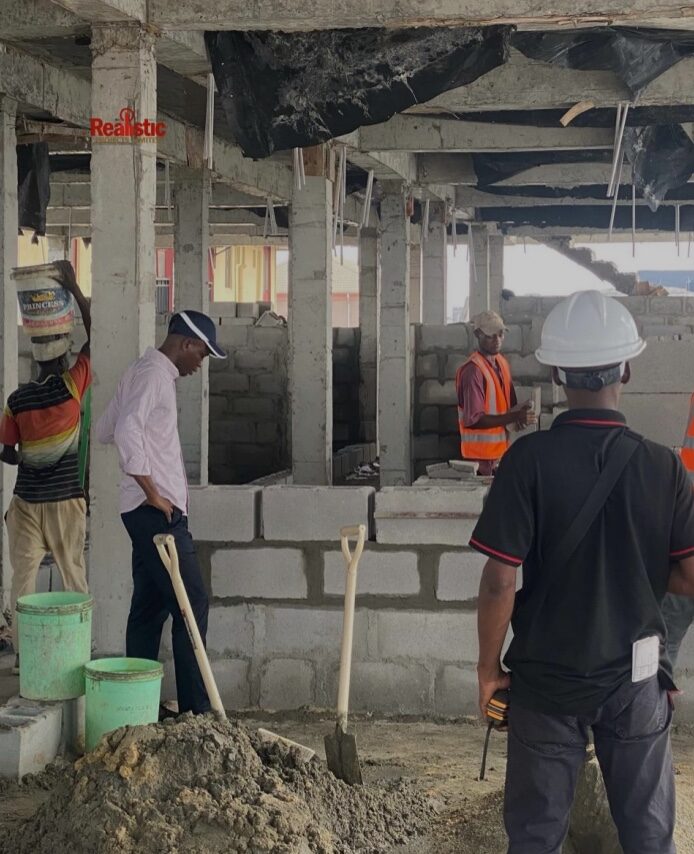
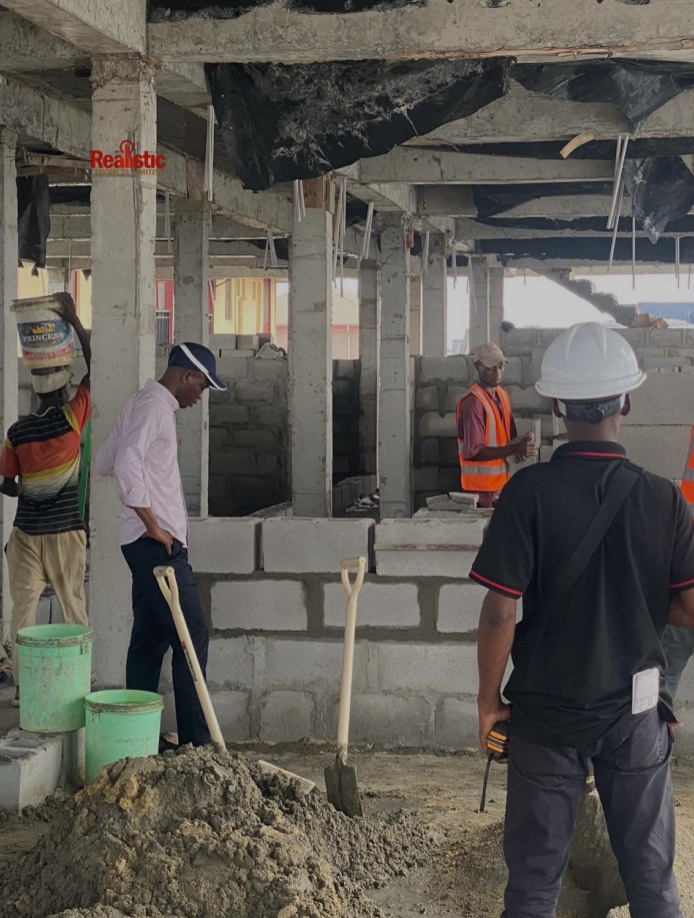
- The work site is organized and reasonably clean
- A contractor who keeps their tools orderly, protects your floors, and tidies up at the end of each day typically brings the same discipline to the work itself.
- 03
- They pull permits without being asked
- Permitted work is inspected by a third party — which means a good contractor has nothing to hide. If yours volunteers to handle permits, that’s a strong signal they’re confident in their quality.
- 04
- They give you straight answers about problems
- Every job encounters surprises. A trustworthy contractor explains them clearly, presents options, and adjusts the timeline or budget honestly rather than burying the issue and hoping you won’t notice.
- 05
- The finished details are tight
- Look at corners, seams, caulk lines, and where different materials meet. Good work is precise at the edges. Sloppy transitions are almost always a sign of rushed or careless craftsmanship overall.
- 06
- They welcome your walkthroughs
- Confident contractors invite scrutiny. If yours gets defensive when you ask questions or come by to check on progress, that reaction itself is worth paying attention to.
- 07
- Their subs and crew are treated well
- How a contractor manages the people working under them reveals a lot. Respectful, orderly crews are more likely to take pride in the work. Friction and high turnover on-site often signal deeper management problems.
A great contractor doesn’t just build things — they manage expectations, protect your investment, and treat your home with the same care they’d give their own.
How to Check the Work Itself
You don’t need a construction degree to do a reasonable quality check. Run water in every fixture and look for drips. Open and close every door, drawer, and window — they should move smoothly without sticking or gaps. Press on tile and listen for hollow spots. Check that outlets work, lights come on, and switches control what they’re supposed to. These functional tests catch a surprising number of problems before final payment.
For structural or technical work — framing, electrical, plumbing, HVAC — don’t rely solely on your own eye. The building inspector assigned to your permit is there for exactly this reason. If your contractor is resistant to inspections, or asks you to sign off on work before an inspection is complete, treat that as a serious warning sign.
The Payment-Progress Test
One of the most reliable measures of a contractor’s integrity is how they handle money relative to progress. A legitimate contractor will ask for a reasonable deposit (typically 10–30% upfront, depending on the project), then tie subsequent payments to specific milestones in writing. If someone is pressing for large payments well ahead of completed work, they’re either in financial trouble, poorly organized, or both — none of which bodes well for your project.
Red Flags — Act Before It Gets Worse
- Asking for cash-only payments
- No written contract or scope of work
- Avoids discussing permits
- Pressure to pay ahead of schedule
- Won’t provide references
- Unreachable for days at a time
- Frequent unexplained crew changes
- Evasive about material choices
- Poor or missing documentation
- Aggressive upselling mid-project
Trust, but Document
Even with an excellent contractor, keep a simple paper trail. Take dated photos at each major stage of the project — especially anything that will be covered up, like framing, rough plumbing, or insulation. Write down any agreements or changes to the original scope via email so there’s a record. This isn’t about distrust; it’s about protecting both parties if a disagreement or warranty issue arises later.
The bottom line: a good contractor is easy to identify because they behave consistently — they communicate, they show up, they invite oversight, and their work holds up to scrutiny. If yours checks those boxes, you’re in good hands. If several of them are missing, it’s worth having a direct conversation sooner rather than later