
Understanding the Role of Design, Construction, and Structural Engineering in Shaping Our Built Environment
Take a drive through many residential estates and urban neighborhoods across Nigeria, and you’ll likely notice a recurring pattern: similar building shapes, similar façades, similar floor plans, and often the same architectural style repeated from one property to another.
While there are exceptions, many Nigerian buildings share a striking resemblance. But why is this the case?
The answer lies in a combination of economic realities, construction practices, design choices, regulatory factors, and the way many property developments are approached.
The Influence of Popular Building Designs
One of the primary reasons many Nigerian buildings look alike is the widespread adoption of trending architectural designs.
Once a particular style becomes popular—whether it’s a contemporary duplex, a minimalist box design, or a modern apartment block—it is often replicated across multiple projects. Property developers and homeowners tend to favor designs they have seen work successfully elsewhere.
While this approach reduces uncertainty, it can also limit architectural creativity and lead to repetitive building aesthetics.
Cost Considerations in Building Construction
Budget plays a major role in shaping building design decisions.
Many homeowners prioritize affordability and construction efficiency over customization. As a result, architects and construction professionals often work within strict budget constraints that influence building forms, materials, and finishes.
Complex architectural features, unique structural elements, and custom façades typically increase construction costs. To reduce expenses, many projects adopt standardized building layouts and construction methods.
This explains why numerous residential buildings share similar floor plans and external appearances.
The Role of Structural Engineering
Structural engineering significantly influences the final appearance of a building.
Every structure must be designed to safely withstand loads, environmental conditions, and long-term usage. Structural engineers often recommend practical and efficient structural systems that align with project budgets and construction requirements.
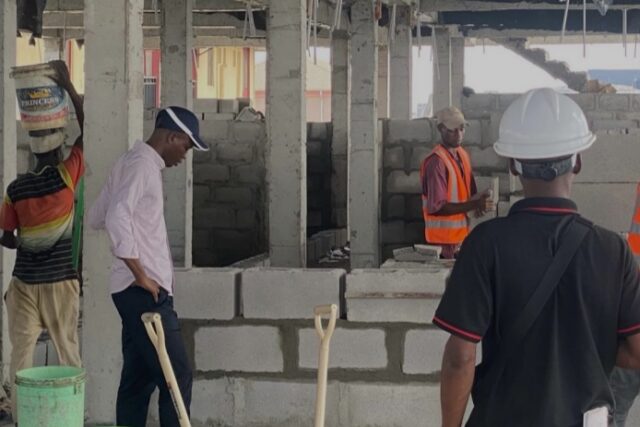
In many Nigerian residential developments, reinforced concrete frames, block walls, and conventional roofing systems remain the preferred construction methods. While highly effective, these systems naturally encourage similar building forms when used repeatedly without significant architectural variation.
Proper structural design should not only ensure safety but also support innovative architectural solutions where feasible.
Estate Developments and Uniformity
Many modern housing estates intentionally adopt a uniform architectural style.
Developers often create standardized designs to:
- Simplify construction processes
- Maintain visual consistency
- Improve project delivery timelines
- Control construction costs
- Enhance estate branding
While this creates organized communities, it can also contribute to the perception that many buildings look the same.
Limited Collaboration Between Design Professionals
Another challenge is the insufficient integration of architecture, structural engineering, and construction management during the design process.
The best building projects result from close collaboration between architects, structural engineers, builders, and project managers. When design decisions are made without sufficient interdisciplinary input, opportunities for innovation and optimization may be lost.
Successful construction projects balance aesthetics, functionality, structural integrity, and cost efficiency.
The Importance of Context-Driven Design
Many Nigerian buildings are designed based on trends rather than site-specific requirements.
Factors such as:
- Climate
- Orientation
- Ventilation
- Natural lighting
- Site conditions
- Intended building use
should influence design decisions.
Buildings designed around their environment often achieve better performance, improved occupant comfort, and a more distinctive appearance.
This is where thoughtful architectural design and professional construction planning make a significant difference.
Moving Toward Better Building Design in Nigeria
The future of construction in Nigeria lies in creating buildings that are not only structurally sound but also unique, functional, and responsive to their environment.
Property owners and developers can achieve this by:
- Engaging qualified architects and structural engineers
- Prioritizing design quality from the outset
- Considering long-term performance rather than short-term trends
- Investing in professional project management
- Encouraging innovation in building construction
A well-designed building should reflect its purpose, location, and users—not simply imitate what has been built elsewhere.
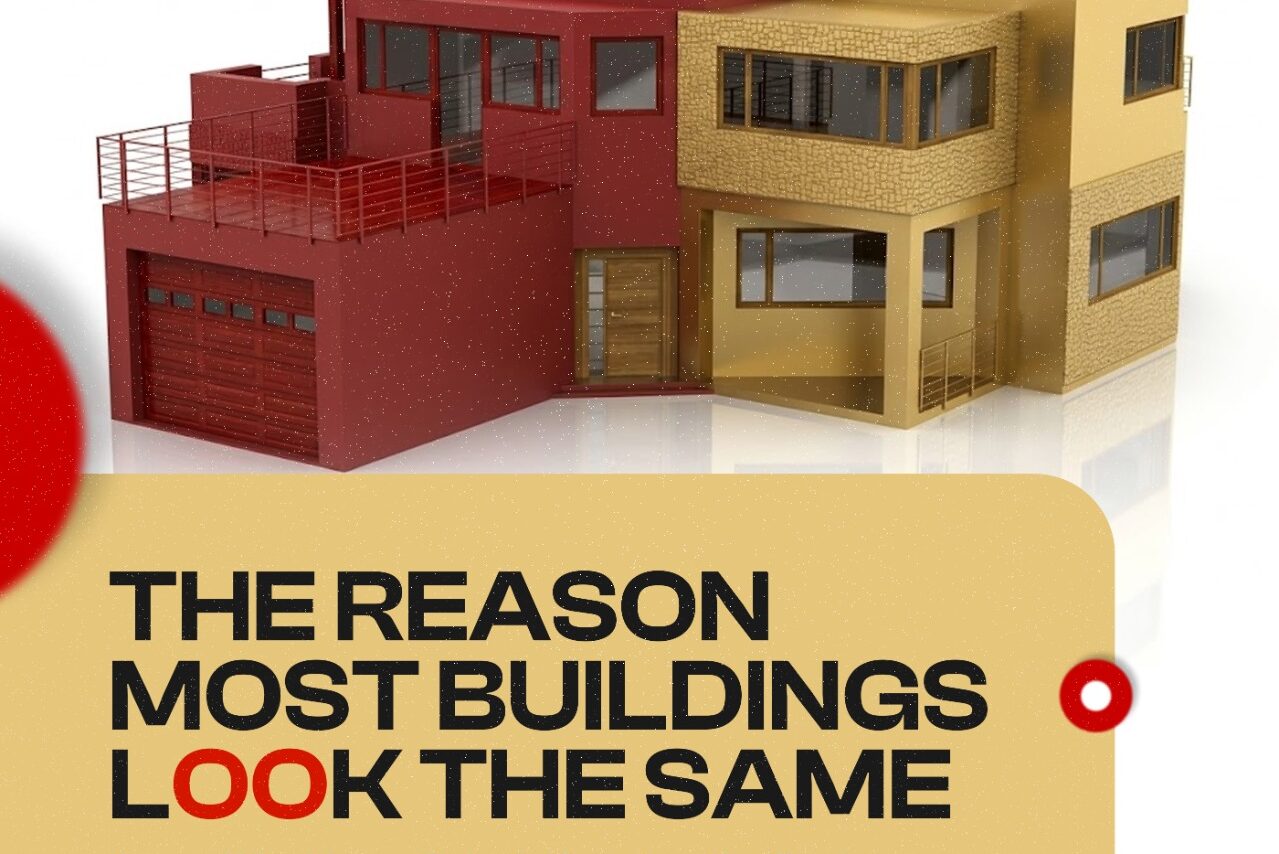
The “Wooden Box Loophole” isn’t a formal engineering or construction term. It is a concept often used in architecture and urban design discussions to describe why many modern buildings end up looking like simple rectangular boxes.
The idea comes from the fact that the most cost-effective and structurally efficient shape to build is a box. As developers and contractors try to maximize floor area while minimizing construction costs, many projects naturally converge toward similar box-like forms.
Why It Happens
1. Cost Efficiency
Rectangular buildings are easier and cheaper to construct because they:
- Use fewer complex structural elements.
- Reduce formwork costs.
- Simplify roofing systems.
- Minimize material waste.
2. Structural Simplicity
From a structural engineering perspective, regular shapes:
- Distribute loads more efficiently.
- Require fewer transfer beams and special supports.
- Simplify reinforcement detailing.
This often leads engineers and developers toward straightforward building forms.
3. Maximizing Usable Space
Developers want the highest return on investment.
A box-shaped building:
- Maximizes rentable or sellable floor area.
- Minimizes circulation and wasted spaces.
- Makes room layouts easier to plan.
4. Speed of Construction
Simple forms are faster to build, which:
- Reduces labor costs.
- Shortens project timelines.
- Lowers financing costs.
Why It Matters
The “loophole” is that while these decisions make financial and engineering sense, they can unintentionally create cities filled with buildings that look almost identical.
The challenge for architects, structural engineers, and developers is finding ways to introduce:
- Better façades
- Unique materials
- Creative balconies
- Interesting massing
- Functional architectural features
without significantly increasing project costs.
Conclusion
The reason many Nigerian buildings look the same is not due to a lack of talent or creativity. Rather, it is the result of economic factors, standardized construction practices, development trends, and limited emphasis on customized design solutions.
As the Nigerian construction industry continues to evolve, there is growing opportunity for architects, structural engineers, developers, and construction companies to create buildings that combine safety, functionality, sustainability, and distinctive design.
The most successful buildings are those that go beyond trends and are thoughtfully designed to stand the test of time.
At Realistic Projects, we believe every project deserves a unique approach that integrates architectural excellence, sound structural engineering, and professional construction management to deliver lasting value.